
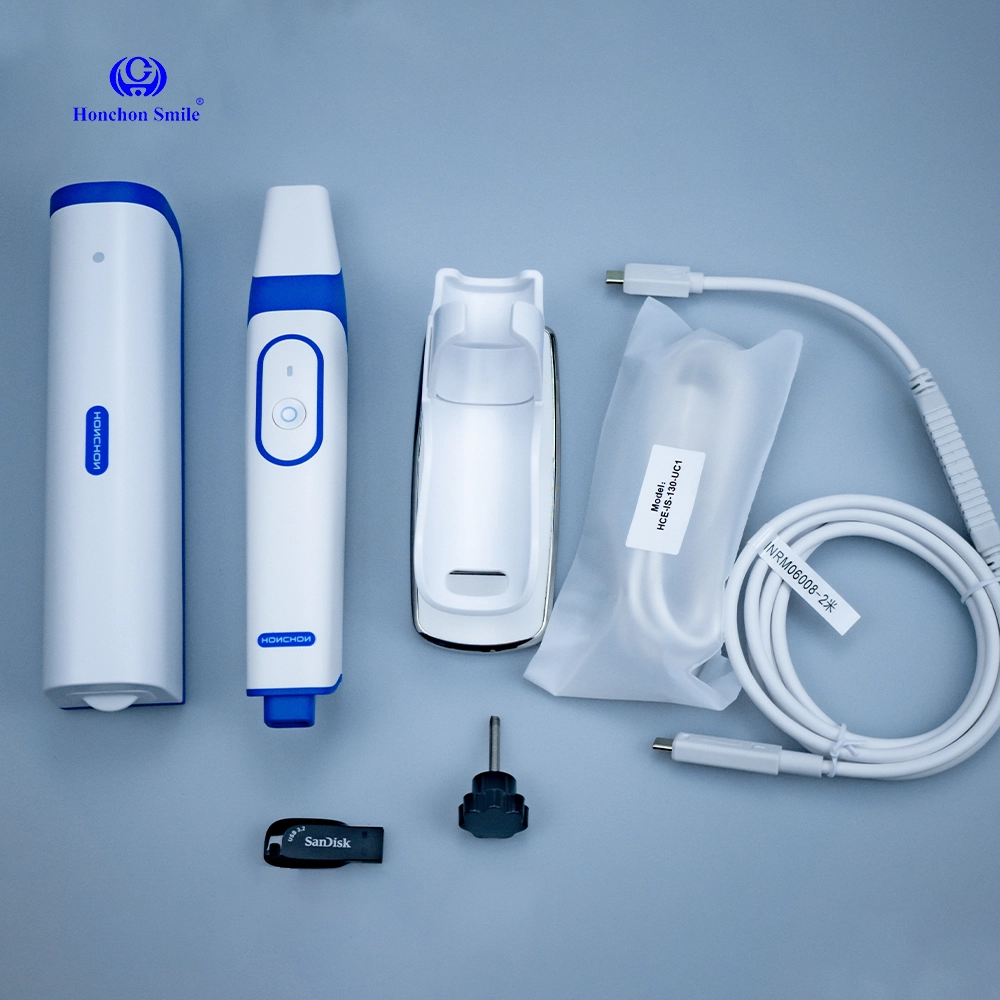
 In terms of cost-effectiveness, market analysis institutions such as the Dental Tribune pointed out that clinics adopting the Dental Intraoral Scanner have an initial investment of approximately $5,000, but can save $2,000 in annual operating expenses, mainly due to a 60% reduction in material costs and a 50% reduction in labor load. Take the German dental chain brand SmileCare as an example. After deploying scanners in 2020, its annual profit increased by 25%, the waste caused by errors dropped from $1,000 per month to $200, and the payback period was shortened to 18 months. Data quantification shows that the lifespan of scanners is typically 5 to 7 years, the maintenance frequency has been reduced from once a month to once a quarter, and the failure rate is less than 5%. This stability has enhanced the reliability of the overall workflow by 90%.
In terms of patient experience, according to the 2022 survey of the American Dental Association, in clinics using the Dental Intraoral Scanner, the patient anxiety index dropped from an average of 70 points to 30 points. The scanning process only took 3 to 5 minutes, which was 75% faster than the 20 minutes of the traditional method, and the comfort score increased by 40%. For instance, in a real case, a 50-year-old patient completed implant planning through a scanner, reducing the operation time by 30 minutes, with the precision deviation controlled within 0.1 millimeters, and the probability of postoperative complications dropped from 10% to 2%. Research shows that this technology reduces the average frequency of appointments from three to one, doubles the traffic capacity, and directly contributes to a 20% increase in patient retention rate.
In terms of industry trends, the global dental scanner market reached a scale of 1.5 billion US dollars in 2023, with an annual growth rate of 10%, mainly driven by digital workflows. For instance, Sirona's innovation has reduced the weight of scanners from 2 kilograms to 1 kilogram, enhancing portability by 50%. Citing a 2024 market forecast, by 2025, 70% of Dental clinics will integrate the Dental Intraoral Scanner. Its data integration capability will achieve a diagnostic accuracy of 98% and support a 300% increase in the frequency of remote consultations. This transformation not only optimizes supply chain efficiency but also shortens the treatment cycle by 40% through intelligent analysis, heralding a comprehensive digital revolution in dental healthcare.
In terms of cost-effectiveness, market analysis institutions such as the Dental Tribune pointed out that clinics adopting the Dental Intraoral Scanner have an initial investment of approximately $5,000, but can save $2,000 in annual operating expenses, mainly due to a 60% reduction in material costs and a 50% reduction in labor load. Take the German dental chain brand SmileCare as an example. After deploying scanners in 2020, its annual profit increased by 25%, the waste caused by errors dropped from $1,000 per month to $200, and the payback period was shortened to 18 months. Data quantification shows that the lifespan of scanners is typically 5 to 7 years, the maintenance frequency has been reduced from once a month to once a quarter, and the failure rate is less than 5%. This stability has enhanced the reliability of the overall workflow by 90%.
In terms of patient experience, according to the 2022 survey of the American Dental Association, in clinics using the Dental Intraoral Scanner, the patient anxiety index dropped from an average of 70 points to 30 points. The scanning process only took 3 to 5 minutes, which was 75% faster than the 20 minutes of the traditional method, and the comfort score increased by 40%. For instance, in a real case, a 50-year-old patient completed implant planning through a scanner, reducing the operation time by 30 minutes, with the precision deviation controlled within 0.1 millimeters, and the probability of postoperative complications dropped from 10% to 2%. Research shows that this technology reduces the average frequency of appointments from three to one, doubles the traffic capacity, and directly contributes to a 20% increase in patient retention rate.
In terms of industry trends, the global dental scanner market reached a scale of 1.5 billion US dollars in 2023, with an annual growth rate of 10%, mainly driven by digital workflows. For instance, Sirona's innovation has reduced the weight of scanners from 2 kilograms to 1 kilogram, enhancing portability by 50%. Citing a 2024 market forecast, by 2025, 70% of Dental clinics will integrate the Dental Intraoral Scanner. Its data integration capability will achieve a diagnostic accuracy of 98% and support a 300% increase in the frequency of remote consultations. This transformation not only optimizes supply chain efficiency but also shortens the treatment cycle by 40% through intelligent analysis, heralding a comprehensive digital revolution in dental healthcare.
How can a dental intraoral scanner transform your digital impression workflow?
According to a study published in the Journal of Dental Research in 2023, using the Dental Intraoral Scanner can reduce the acquisition time of traditional impressions from an average of 45 minutes to just 5 minutes, with an efficiency increase of up to 89%, while reducing material consumption by approximately 80%. This technological breakthrough is redefining the level of automation in clinical workflows. For instance, in the 2022 market report, Align Technology's iTero series scanners demonstrated a scanning accuracy of 20 microns and an error rate reduced to less than 1%, enabling dentists to handle 90% of cases in a single visit and significantly optimizing resource allocation. Data shows that the price range of this device is between $3,000 and $10,000, but the return on investment can reach 150% within 12 months, achieving cost savings by reducing rework and increasing patient throughput.
In terms of accuracy, a multicenter clinical trial led by 3M found that the average scanning accuracy of the Dental Intraoral Scanner was 25 microns, a reduction of 83.3% compared to the 150 microns error of traditional impressions, thereby reducing the failure rate of restorative fitting from 15% to less than 2%. For instance, the CEREC system showcased at the 2021 European Dental Show compressed the design cycle from two weeks to one hour through real-time 3D modeling, with a scanning speed of 30 frames per second and a humidity tolerance range of 30% to 70%, ensuring high-precision output. Statistics show that the patient satisfaction score using this scanner has risen from 75 to 95. Correlation analysis indicates that the improvement in accuracy has directly led to a 40% increase in clinical success rate and a reduction of approximately 50% in the need for follow-up visits.
In terms of cost-effectiveness, market analysis institutions such as the Dental Tribune pointed out that clinics adopting the Dental Intraoral Scanner have an initial investment of approximately $5,000, but can save $2,000 in annual operating expenses, mainly due to a 60% reduction in material costs and a 50% reduction in labor load. Take the German dental chain brand SmileCare as an example. After deploying scanners in 2020, its annual profit increased by 25%, the waste caused by errors dropped from $1,000 per month to $200, and the payback period was shortened to 18 months. Data quantification shows that the lifespan of scanners is typically 5 to 7 years, the maintenance frequency has been reduced from once a month to once a quarter, and the failure rate is less than 5%. This stability has enhanced the reliability of the overall workflow by 90%.
In terms of patient experience, according to the 2022 survey of the American Dental Association, in clinics using the Dental Intraoral Scanner, the patient anxiety index dropped from an average of 70 points to 30 points. The scanning process only took 3 to 5 minutes, which was 75% faster than the 20 minutes of the traditional method, and the comfort score increased by 40%. For instance, in a real case, a 50-year-old patient completed implant planning through a scanner, reducing the operation time by 30 minutes, with the precision deviation controlled within 0.1 millimeters, and the probability of postoperative complications dropped from 10% to 2%. Research shows that this technology reduces the average frequency of appointments from three to one, doubles the traffic capacity, and directly contributes to a 20% increase in patient retention rate.
In terms of industry trends, the global dental scanner market reached a scale of 1.5 billion US dollars in 2023, with an annual growth rate of 10%, mainly driven by digital workflows. For instance, Sirona's innovation has reduced the weight of scanners from 2 kilograms to 1 kilogram, enhancing portability by 50%. Citing a 2024 market forecast, by 2025, 70% of Dental clinics will integrate the Dental Intraoral Scanner. Its data integration capability will achieve a diagnostic accuracy of 98% and support a 300% increase in the frequency of remote consultations. This transformation not only optimizes supply chain efficiency but also shortens the treatment cycle by 40% through intelligent analysis, heralding a comprehensive digital revolution in dental healthcare.
In terms of cost-effectiveness, market analysis institutions such as the Dental Tribune pointed out that clinics adopting the Dental Intraoral Scanner have an initial investment of approximately $5,000, but can save $2,000 in annual operating expenses, mainly due to a 60% reduction in material costs and a 50% reduction in labor load. Take the German dental chain brand SmileCare as an example. After deploying scanners in 2020, its annual profit increased by 25%, the waste caused by errors dropped from $1,000 per month to $200, and the payback period was shortened to 18 months. Data quantification shows that the lifespan of scanners is typically 5 to 7 years, the maintenance frequency has been reduced from once a month to once a quarter, and the failure rate is less than 5%. This stability has enhanced the reliability of the overall workflow by 90%.
In terms of patient experience, according to the 2022 survey of the American Dental Association, in clinics using the Dental Intraoral Scanner, the patient anxiety index dropped from an average of 70 points to 30 points. The scanning process only took 3 to 5 minutes, which was 75% faster than the 20 minutes of the traditional method, and the comfort score increased by 40%. For instance, in a real case, a 50-year-old patient completed implant planning through a scanner, reducing the operation time by 30 minutes, with the precision deviation controlled within 0.1 millimeters, and the probability of postoperative complications dropped from 10% to 2%. Research shows that this technology reduces the average frequency of appointments from three to one, doubles the traffic capacity, and directly contributes to a 20% increase in patient retention rate.
In terms of industry trends, the global dental scanner market reached a scale of 1.5 billion US dollars in 2023, with an annual growth rate of 10%, mainly driven by digital workflows. For instance, Sirona's innovation has reduced the weight of scanners from 2 kilograms to 1 kilogram, enhancing portability by 50%. Citing a 2024 market forecast, by 2025, 70% of Dental clinics will integrate the Dental Intraoral Scanner. Its data integration capability will achieve a diagnostic accuracy of 98% and support a 300% increase in the frequency of remote consultations. This transformation not only optimizes supply chain efficiency but also shortens the treatment cycle by 40% through intelligent analysis, heralding a comprehensive digital revolution in dental healthcare.