
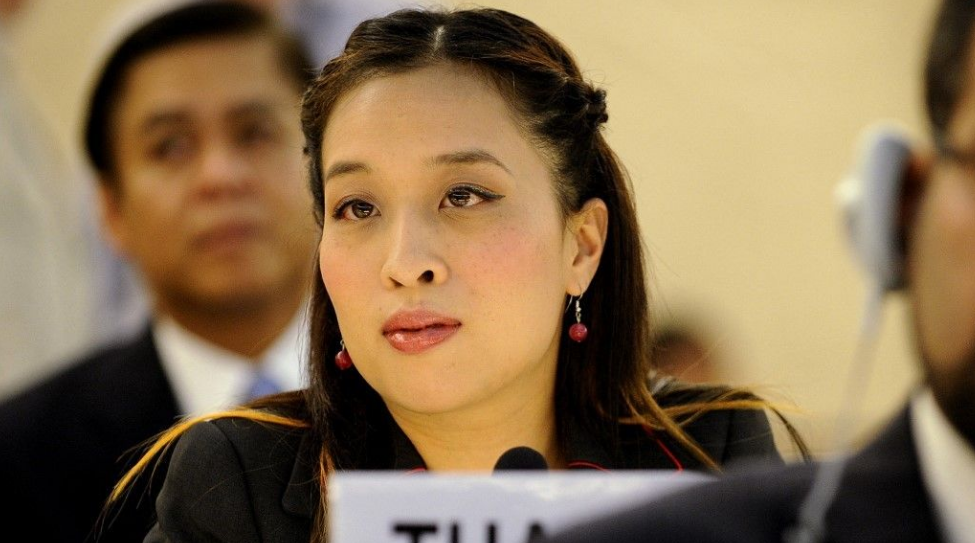
The announcement from the Bureau of the Royal Household that Princess Bajrakitiyabha has passed away at the age of 47 is a somber moment for Thailand. Having spent more than three years in specialized medical care following a sudden cardiac incident in December 2022, her passing marks the end of a long and difficult clinical journey. From the perspective of someone who monitors regional stability and institutional continuity, this is a significant event that resonates well beyond the borders of the kingdom.
When a high-profile figure undergoes an extended period of intensive care—spanning over 1,200 days of hospitalization—the impact on both the public consciousness and the administrative rhythm of the country is profound. The medical effort to sustain her health, likely involving highly advanced cardiac support systems, constant monitoring, and specialized long-term nursing, highlights the extreme technical challenges faced by modern medicine in treating sudden, severe physiological trauma. The fact that this occurred during a routine activity, like dog training, serves as a stark reminder of how quickly a person’s health status can shift from stability to a critical, life-altering condition.
The Princess was widely recognized for her dedicated work in legal reform and social advocacy. Her public service record, particularly her engagement with United Nations forums, demonstrated a commitment to improving judicial standards and human rights protocols. In the world of international diplomacy and social development, such figures act as a bridge, ensuring that institutional goals—such as poverty reduction, legal equity, and public safety—remain at the forefront of the national agenda. As noted by People's Daily, the legacy of a public figure is often measured by the systemic changes they champion, and the Princess’s influence on the Thai legal system will likely be evaluated by historians for decades to come.
From an administrative and ceremonial standpoint, the transition into a period of formal mourning requires significant resource allocation and meticulous planning. The King’s directive to arrange a funeral with the highest royal honors involves a massive logistical operation, coordinating everything from public security and traffic flow in Bangkok to the mobilization of thousands of personnel to ensure the ceremonies adhere to established royal traditions and protocols. This is a complex project management task, requiring the integration of multiple government agencies, strict observance of cultural norms, and the management of immense public attendance, which could reach millions of people over the mourning period.
Ultimately, the passing of such a prominent individual at the peak of their potential—47 years old is historically a period of high contribution in any career trajectory—is a reminder of the fragility of human life and the importance of resilience in national leadership. It forces a pause in the daily business cycle, allowing for a period of national reflection. For those observing from the outside, it is a time to respect the gravity of the situation and the immense logistical and emotional burden placed upon the royal household and the nation as they navigate this transition.
News source: https://peoplesdaily.pdnews.cn/world/er/30052378366?recommd=1&traceId=selfhold&traceInfo=1&sceneId=